About ASBDD
Our Vision
To foster collaborative engagement and research to improve the well-being and quality of life for people living with mood disorders, and their carers.
A message from our co-chairs
About one in five people will experience a mood disorder during their lifetime. The disorders cause more disability than almost any other group of disorders, mental or physical. They represent a major public health challenge, and the need for research into finding better treatments is clear.
The ASBDD is the primary forum in Australia and New Zealand for the exchange of research ideas and the discussion of educational initiatives. By engaging in these discussions, clinicians and researchers hope to translate research findings into clinical care and help alleviate the significant distress experienced by those who experience these disorders.
Our Early and Mid-Career Researcher (EMCR) sub-committee provides support for researchers who have been in the field for less than ten years, while our conferences have brought together leading clinical research figures from Australia, New Zealand and overseas, together with people with lived experience and their families, to discuss recent developments and consider how we might improve outcomes.
I would encourage anyone who has an interest in mood disorders to consider joining ASBDD to help us in our efforts to improve the lives of the many people in the community who are experiencing mental ill health.
Dr Jennifer Nicholas and Dr Katie Douglas
ASBDD Committee
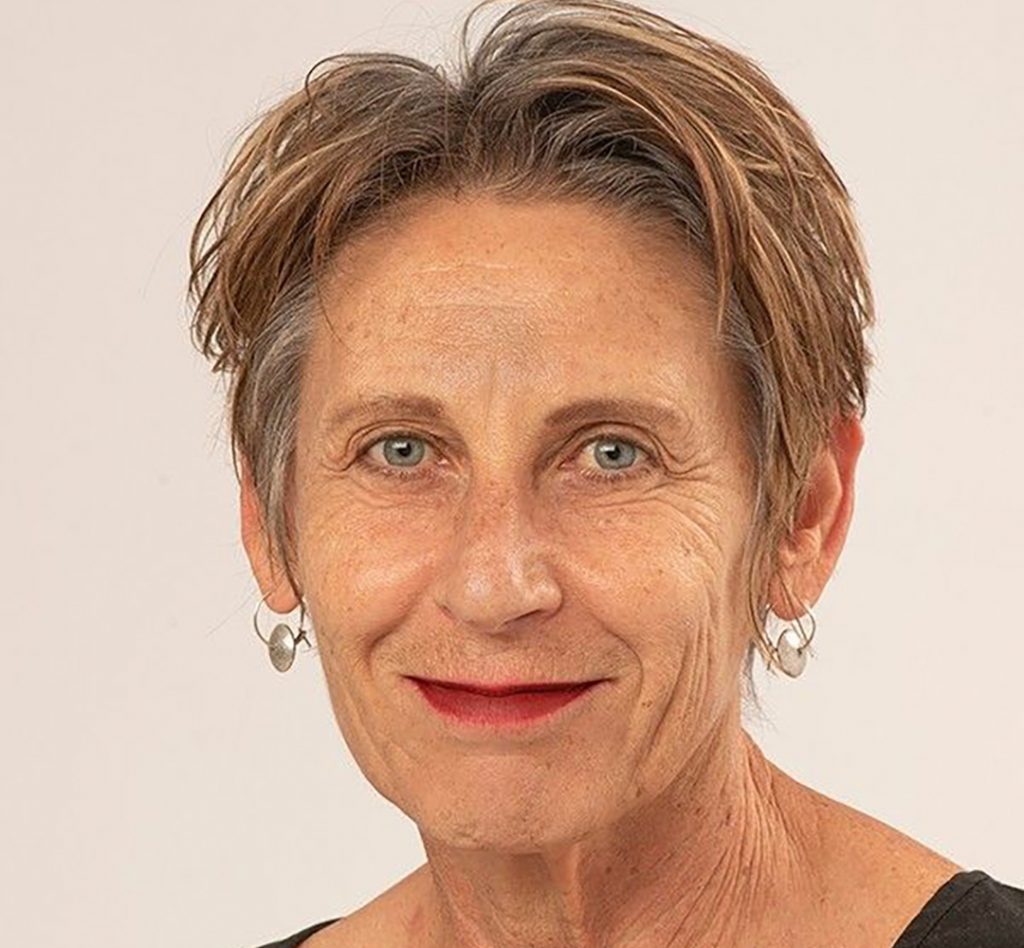
Dr Maree Inder
Co-chair
Maree is a senior research fellow and the current recipient of the Gama Fellowship in Bipolar Disorder at the Dept of Psychological Medicine, University of Otago, Christchurch, NZ.
Her research interests include the treatment of bipolar disorders (and recurrent mood disorders) to support symptomatic, functional and personal recovery, chronotherapeutic treatments and the use of adjunctive psychotherapy treatment, particularly interpersonal and social rhythm therapy.
She is a member of the International Association of Bipolar Disorders’ taskforce on chronotherapy and chronobiology. Other areas of research include family focused interventions, teletherapy, cognitive remediation, and the developmental impact of bipolar on self and identity.
Dr Maree Inder
Co-chair
Maree is a senior research fellow and the current recipient of the Gama Fellowship in Bipolar Disorder at the Dept of Psychological Medicine, University of Otago, Christchurch, NZ.
Her research interests include the treatment of bipolar disorders (and recurrent mood disorders) to support symptomatic, functional and personal recovery, chronotherapeutic treatments and the use of adjunctive psychotherapy treatment, particularly interpersonal and social rhythm therapy.
She is a member of the International Association of Bipolar Disorders’ taskforce on chronotherapy and chronobiology. Other areas of research include family focused interventions, teletherapy, cognitive remediation, and the developmental impact of bipolar on self and identity.
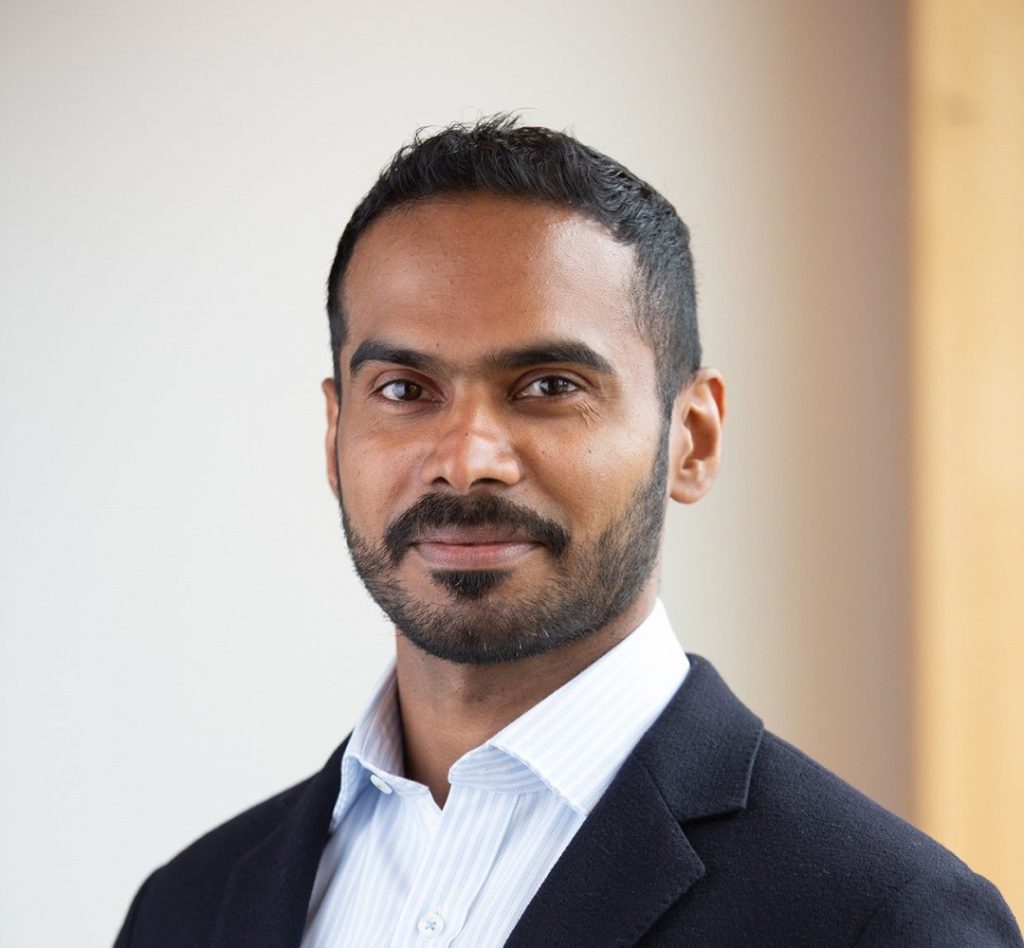
Dr Aswin Ratheesh
Co-chair
Dr Ratheesh is a consultant psychiatrist and the clinical research lead for mood disorders at Orygen, an early intervention and youth mental health service in Melbourne. He’s a senior research fellow and NHMRC early career fellow with the Centre for Youth Mental Health at the University of Melbourne and an associate editor of the Australian and New Zealand Journal of Psychiatry.
He currently leads an early intervention program for young people with emerging bipolar disorders and has received funding from NHMRC and the Society for Mental Health Research.
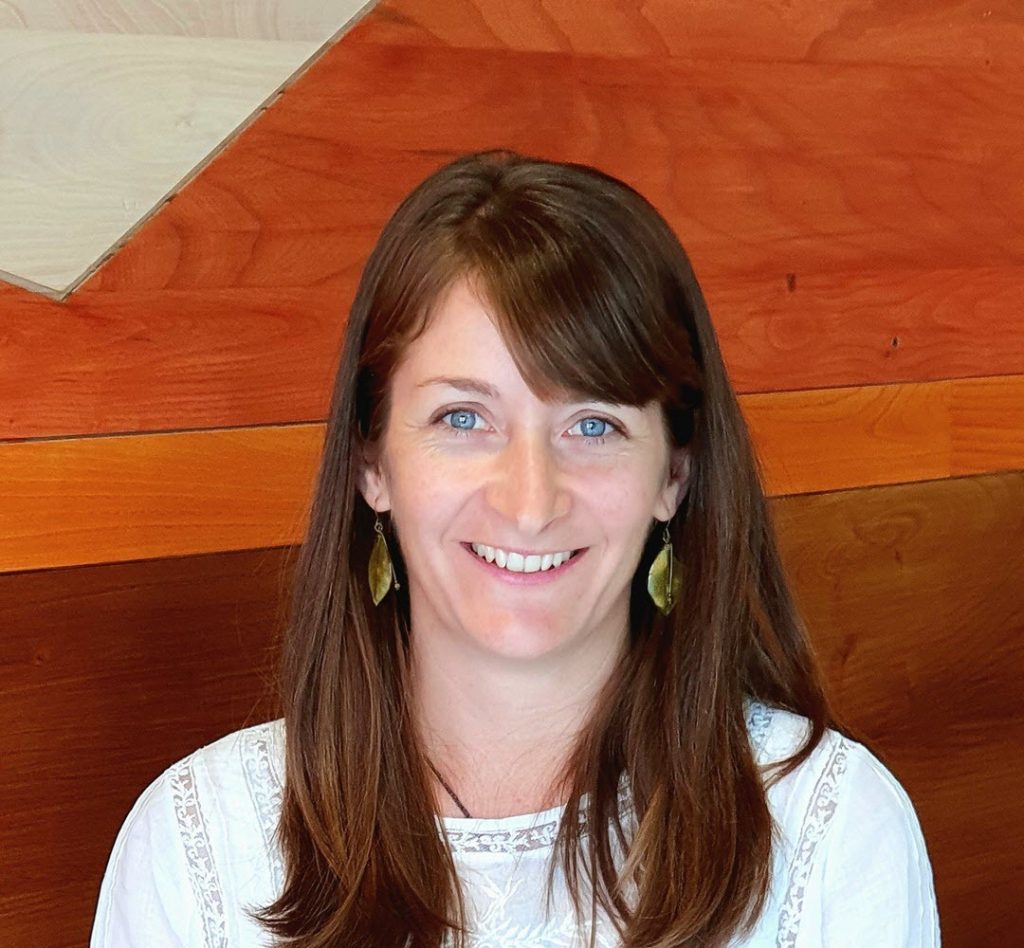
Associate Professor Katie Douglas
Immediate Past Chair
Katie is an Associate Professor and a Registered Clinical Psychologist. Her research explores the cognitive, psychological, and hormonal aspects of mood disorders, and how to target these directly, including with cognitive training programmes, psychological therapies, and environmental interventions (e.g., light therapy). She has extensive experience leading clinical trials of novel interventions, including large-scale randomised controlled trials of cognitive remediation programmes for people with depression and bipolar disorder. Katie has been awarded 10 major research grants as Principal Investigator, including the prestigious Sir Charles Hercus Fellowship from the Health Research Council of New Zealand (2018), and has more than 100 publications in high-impact journals.
Dr Jennifer Nicholas
Immediate Past Chair
Dr Jen Nicholas is a research fellow at the Centre for Youth Mental health, University of Melbourne and Orygen, the world’s largest youth mental health research institute. Her research interests relate to how technology can both i) increase the availability, effectiveness, and reach of mental health interventions, and ii) support services to provide 21st century mental health care.
Jen completed her PhD in digital mental health for early intervention in bipolar disorder in late 2017 at the University of New South Wales and the Black Dog Institute. She then spent 18months at Northwestern University in Chicago, USA, at the Center for Behavioral Intervention Technologies as a postdoctoral research fellow, before returning to Australia as a Research Fellow at Orygen.
In 2022, Jen will begin her NHMRC Emerging Leader Fellowship in digital mental health implementation. For years, evidence-based digital interventions have promised to address limitations in accessing high quality, sustainable mental health care – but have so far failed to deliver. Her work will address this failure of research translation by refining, evaluating, and disseminating key implementation strategies in digital youth mental health and designing the next generation of implementation-ready digital interventions. This work will build on her recent research on the integration of MOST, a digital youth mental health intervention into youth mental health services across Victoria.
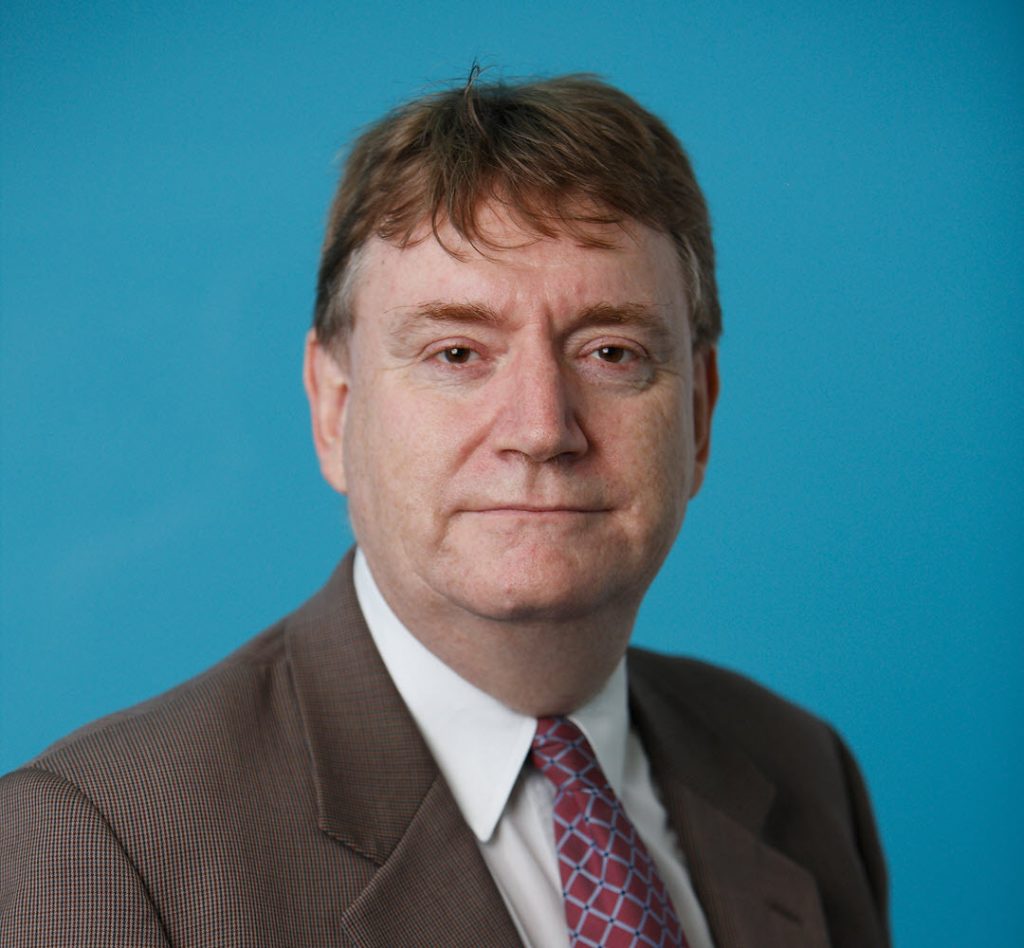
Professor Malcolm Hopwood
Honorary Secretary
Malcolm is the Ramsay Health Care Professor of Psychiatry at the University of Melbourne and is director of professorial psychiatry at the Albert Road Clinic (ARC).
His research areas include psychopharmacology and clinical aspects of mood and anxiety disorders. He was President of the Royal Australian and New Zealand College of Psychiatrists between 2015 and 2017, and is now president of the Asian Federation of Psychiatric Associations and chair of the Medicare Review Committee for Psychiatry.
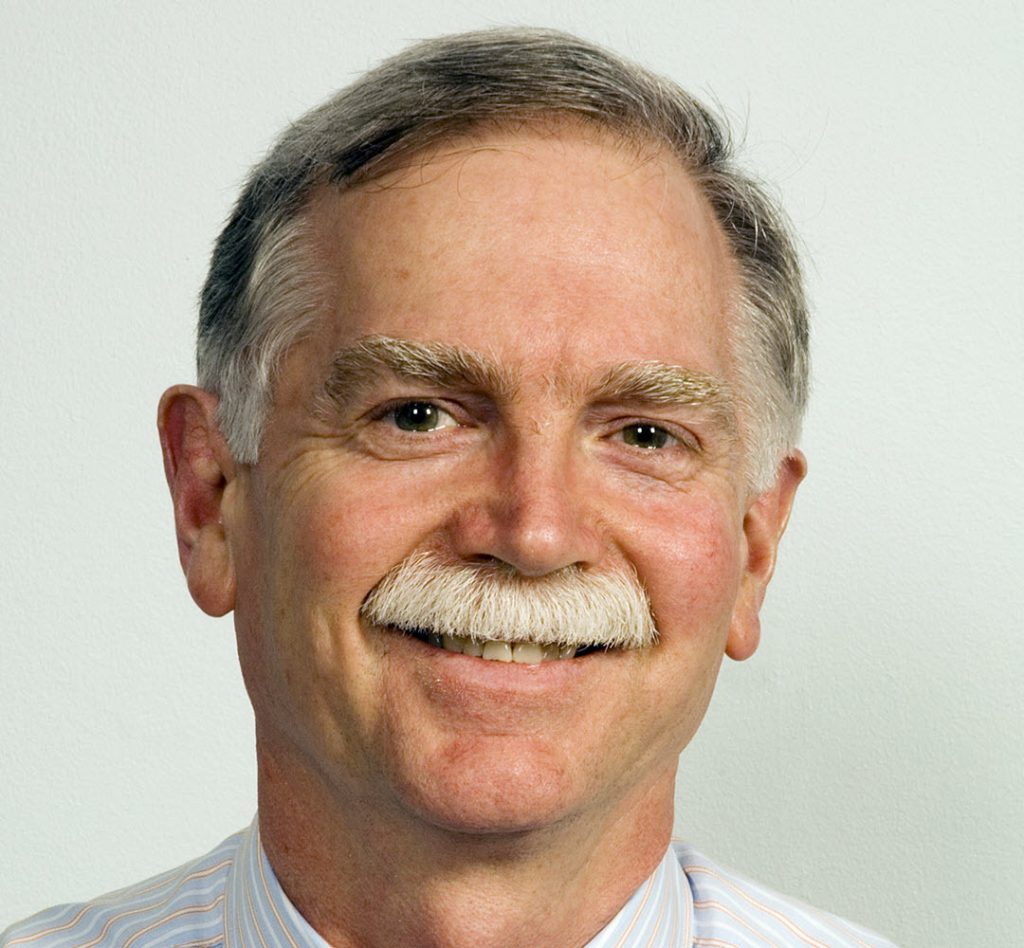
Professor Philip Bowden Mitchell
Honorary Treasurer
Philip is Scientia Professor in the School of Psychiatry at the University of New South Wales, Australian NHMRC Leadership Fellow and director of the Bipolar Disorders Clinic and the Black Dog Institute.
He sits on the board of the Anika Foundation for Adolescent Depression and Suicide, is the chair of Bipolar Australia and director of the Mood Disorders Service, Northside Group St Leonards Clinic.
His research and interests are bipolar disorder and depression, with particular focus on predictors in at-risk individuals, the molecular genetics of the disorder; pharmacological and psychological treatments, clinical phenomenology and neurostimulation therapies.
Professor Mitchell has published over 500 peer-reviewed papers, books or book chapters and serves on a number of editorial boards.
In 2010, Philip was appointed as a Member of the Order of Australia for service to medical education and has been elected as a Fellow of the Academy of Social Sciences and the Australian Academy of Health and Medical Sciences.
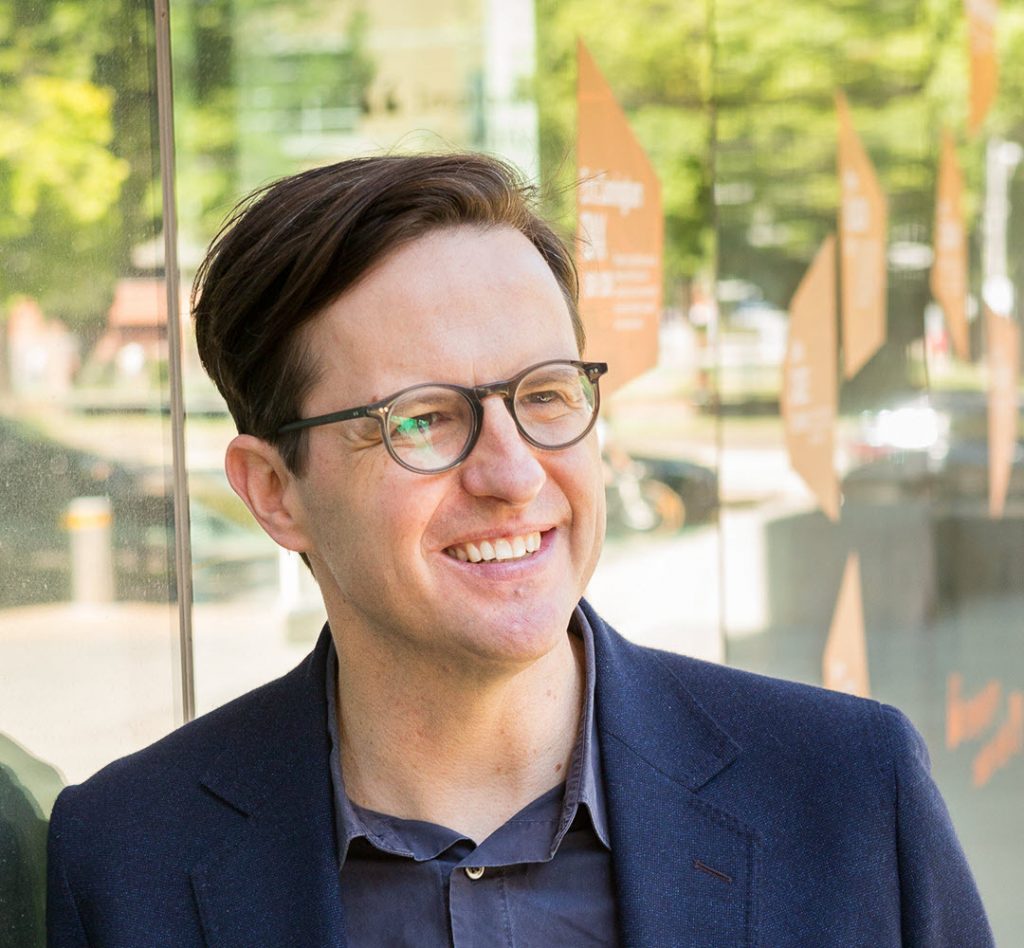
Professor Christopher Davey
Committee Member
Chris is the head of the Department of Psychiatry at the University of Melbourne and a psychiatrist at the Royal Melbourne Hospital. He is the current editor of the Australian and New Zealand Journal of Psychiatry. His main clinical and research interest is in the management of severe mood disorders, and he has led, or is leading, large NHMRC-funded multicentre clinical trials of treatments for depression, including psychotherapy, antidepressants, anti-inflammatories, and ketamine.
He is also interested in using brain imaging to better understand depression and social-affective processes.
Chris completed his medical degree at the University of Western Australia, trained in psychiatry in Sydney and Melbourne and completed his PhD at the University of Melbourne. Before he commenced his current role, Chris worked for many years at Orygen, a youth mental health clinical and research program in Melbourne.
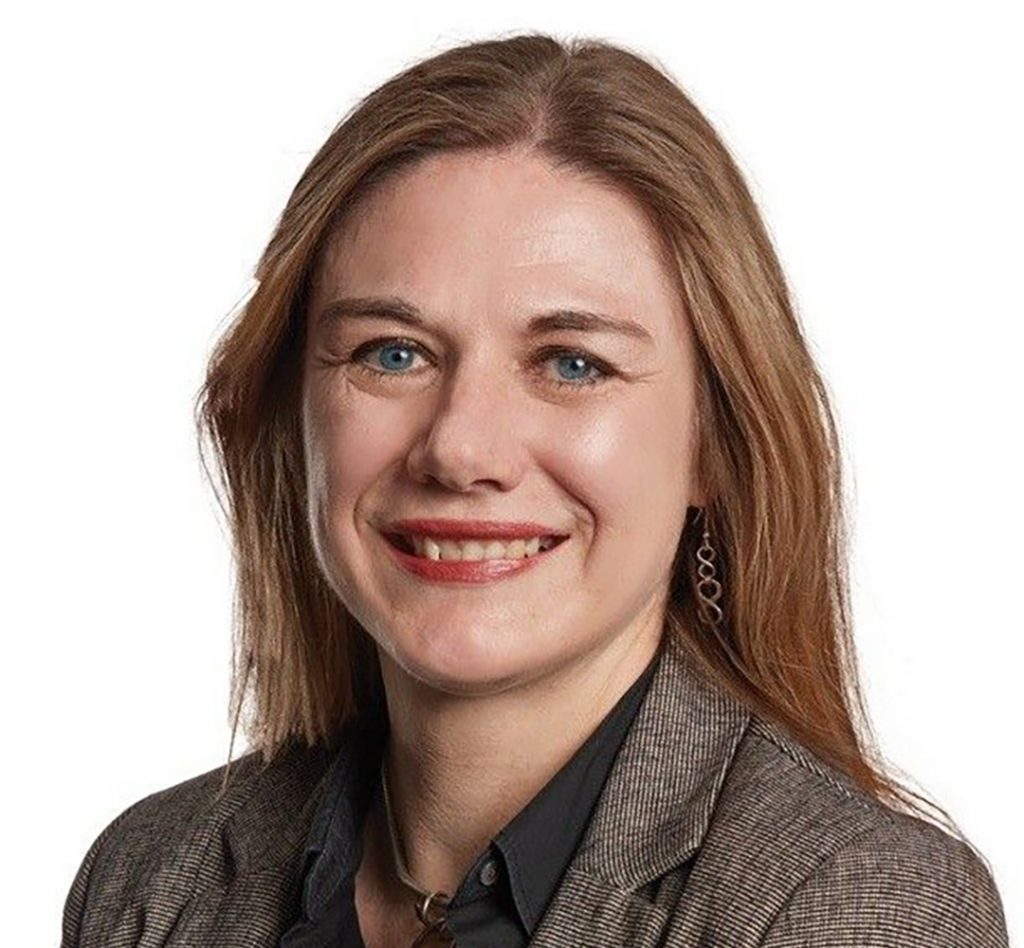
Professor Susan Rossell BSc (Hons), PhD
Committee Member
Prof Rossell is professor of cognitive neuropsychiatry and an NHMRC senior research fellow at Swinburne University, Melbourne where her research has focused on developing new interventions for cognitive impairments involved in psychosis, mood disorders and body-image related disorders. She has published over 350 peer reviewed articles and book chapters, and sits on the executive board of Schizophrenia International Research Society (SIRS) and the NIMH International Body Dysmorphic Disorder Scientific Advisory Group. She is also secretary of the steering committee of the International Consortium of Hallucination Research (ICHR) and section editor for the European Journal of Neuroscience, Schizophrenia Research: Cognition and European Psychiatry.

Dr Emma Morton
Committee member
Dr Emma Morton is a Senior Lecturer at Monash University, School of Psychological Sciences and Turner Institute for Brain and Mental Health. She completed her PhD (Clinical Psychology) at Swinburne University, and then took up a position at the University of British Columbia (Canada), supported by a prestigious Canadian Institutes of Health Research Banting Postdoctoral Fellowship. Her research aims to optimize the quality of life of individuals living with mood disorders, with particular emphasis on bipolar disorders, psychological interventions, digital health tools, and psilocybin therapies, conducted within a community-based participatory research framework. Dr. Morton is recognised as an emerging leader in mood disorders research: she was awarded the Depression and Bipolar Support Alliance Gerald L. Klerman Young Investigator Award, and the International Society for Bipolar Disorders Samuel Gershon Junior Investigator Award.
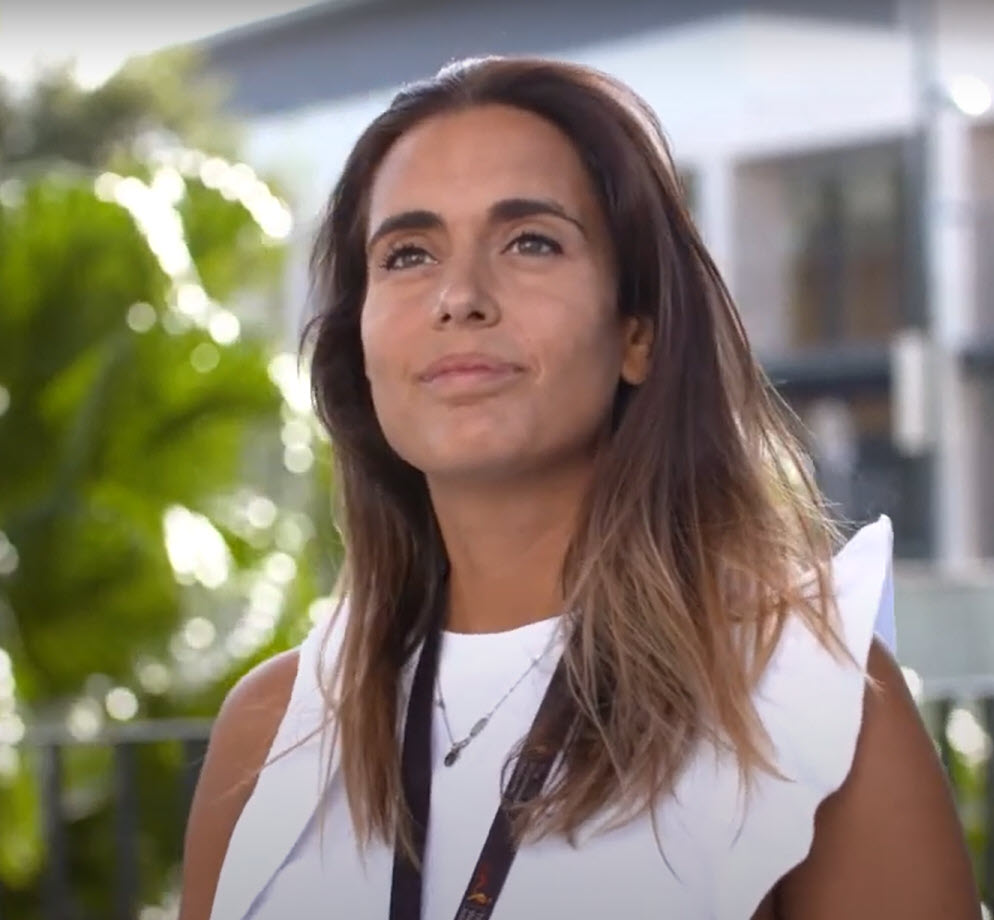
Dr Ana Rita Barreiros
EMCR Chair
Dr Ana Rita Barreiros is a post-doctoral Research Associate at the University of New South Wales, in Sydney. With a background in clinical psychology and neuroscience, she has specialised in treatment-resistant depression and interventional psychiatry. With a PhD in neuroimaging and extensive experience leading clinical trials, she integrates advanced neuroimaging methods with clinical expertise to better understand and improve psychiatric treatment outcomes.
Dr Barreiros has worked across leading research institutions in Portugal and Australia, contributing to several NHMRC, ARC and industry funded research projects and RCTs, to identify MRI and EEG markers in mood disorders and schizophrenia and to investigate neurostimulation, ketamine, and emerging psychedelic therapies.
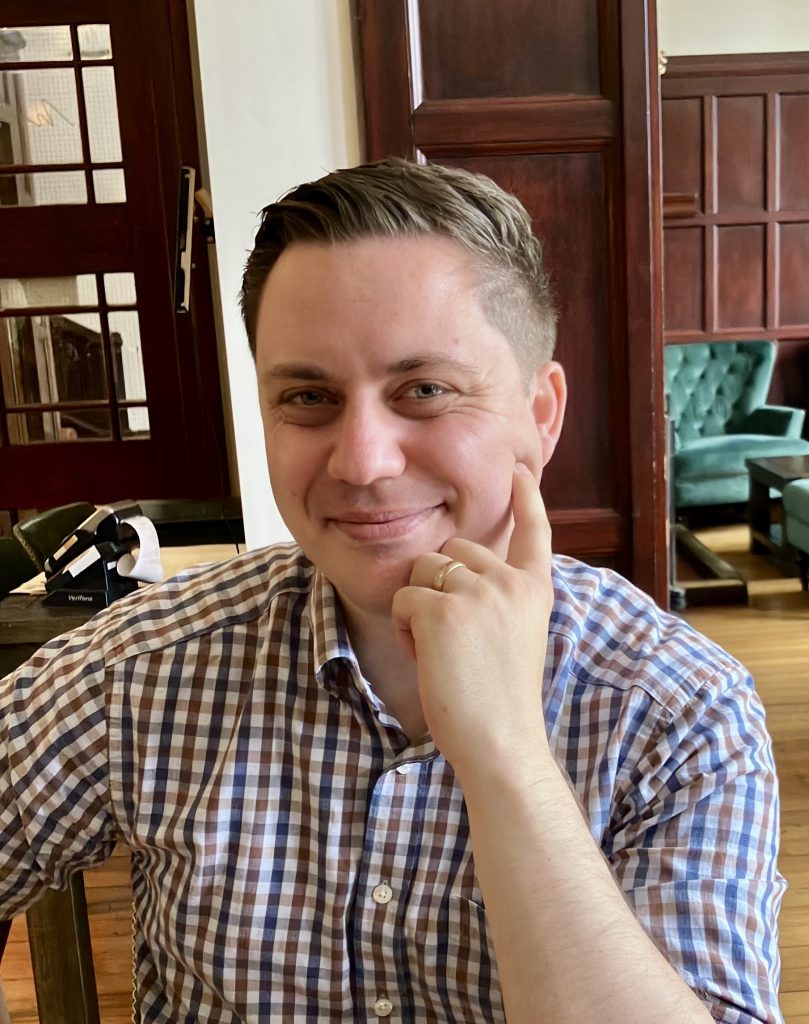
Dr Matthew Tennant
Psychiatrist Representative
Matthew is a consultant psychiatrist providing inpatient and community mental health care at Te Whatu Ora, Canterbury. He is also a senior lecturer at the department of psychological medicine, University of Otago, Christchurch. Matthew has an interest in the treatment of mood disorders, recovery in chronic mental illness, medical education, and psychiatric ethics.
Become a member
ASBDD members enjoy exclusive access to our secure Membership Site, which contains a range of presentations from previous conferences and other events. Members also get discounted registration for conferences and presentations and up-to-date information on news and upcoming initiatives.